Who We Cooperate With?
Architect Site Visits & Metalwork | Kaiyubang
Learn how architect site visits guide metal gates, stair handrails and brass plaques from CAD drawings to installation-ready custom metalwork.
Why Architect Site Visits Matter in Modern Construction
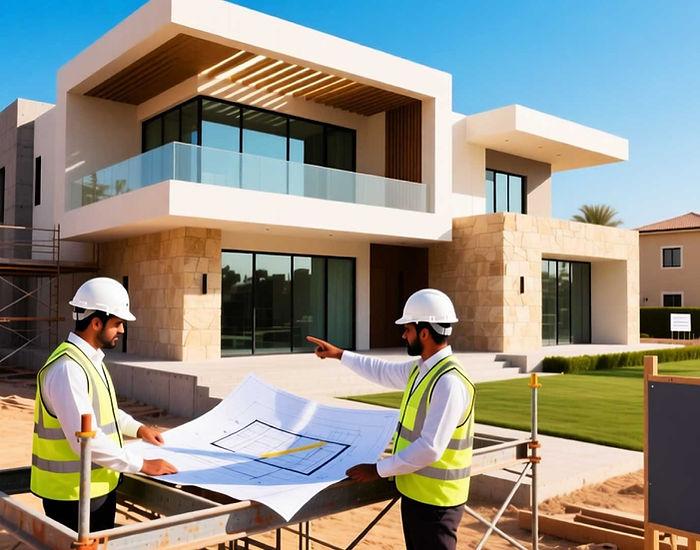
Modern construction requires more than architectural drawings. Architect site visits play an important role in connecting design concepts with actual building conditions. Whether a project involves a hotel renovation, office fit-out or luxury villa, architects may visit the construction site to verify dimensions, review materials, coordinate with contractors and ensure that important design details are properly understood.
This is particularly important when a project includes custom architectural metalwork. Products such as a manual driveway gate, single iron doors, decorative stair railings and brass plaques require accurate measurements, appropriate materials and careful coordination before manufacturing begins.
An architect's involvement during construction helps reduce misunderstandings between the design team, the client, contractors and specialist manufacturers.
1. What Do Architects Check During Site Visits?
Architects do not simply prepare drawings and leave the construction team to complete the project. Depending on their professional appointment, they may provide construction-stage services to review progress and clarify design requirements.
Checking Construction Dimensions
Actual site conditions do not always match the original drawings. Wall thickness, floor levels, opening dimensions and structural positions may change during construction.
Before ordering custom metal products, the project team should confirm:
- Door and gate opening dimensions.
- Finished floor levels and ground clearance.
- Wall thickness and installation positions.
- Staircase geometry and railing fixing points.
- Hardware locations and opening directions.
- Space required for installation and maintenance.
For example, a decorative entrance gate may look perfect in a CAD drawing but fail to open correctly if the driveway slope or ground clearance has not been considered.
The American Institute of Architects (AIA) explains that architects visit construction sites at intervals appropriate to the construction stage to become generally familiar with the progress and quality of the work. This does not mean continuous supervision of every construction activity.
Reviewing Material Quality
Architects may review material samples, specifications and proposed finishes to check whether they meet the design requirements.
For architectural metalwork, material selection should consider:
- Strength and structural requirements.
- Corrosion resistance and environmental exposure.
- Material thickness and finished weight.
- Surface treatment and color consistency.
- Maintenance requirements.
- Manufacturing cost and installation conditions.
Common materials include wrought iron, mild steel, stainless steel, aluminum, brass and copper.
A material that works well for an indoor decorative feature may not be suitable for an outdoor coastal environment. Therefore, the material grade, protective coating and fabrication process should be confirmed before production.
2. Choosing the Right Metal Gates for Architectural Projects
Metal gates are important architectural features. They provide security, privacy and visual identity while complementing the overall building design.
Manual Driveway Gate and Single Iron Doors
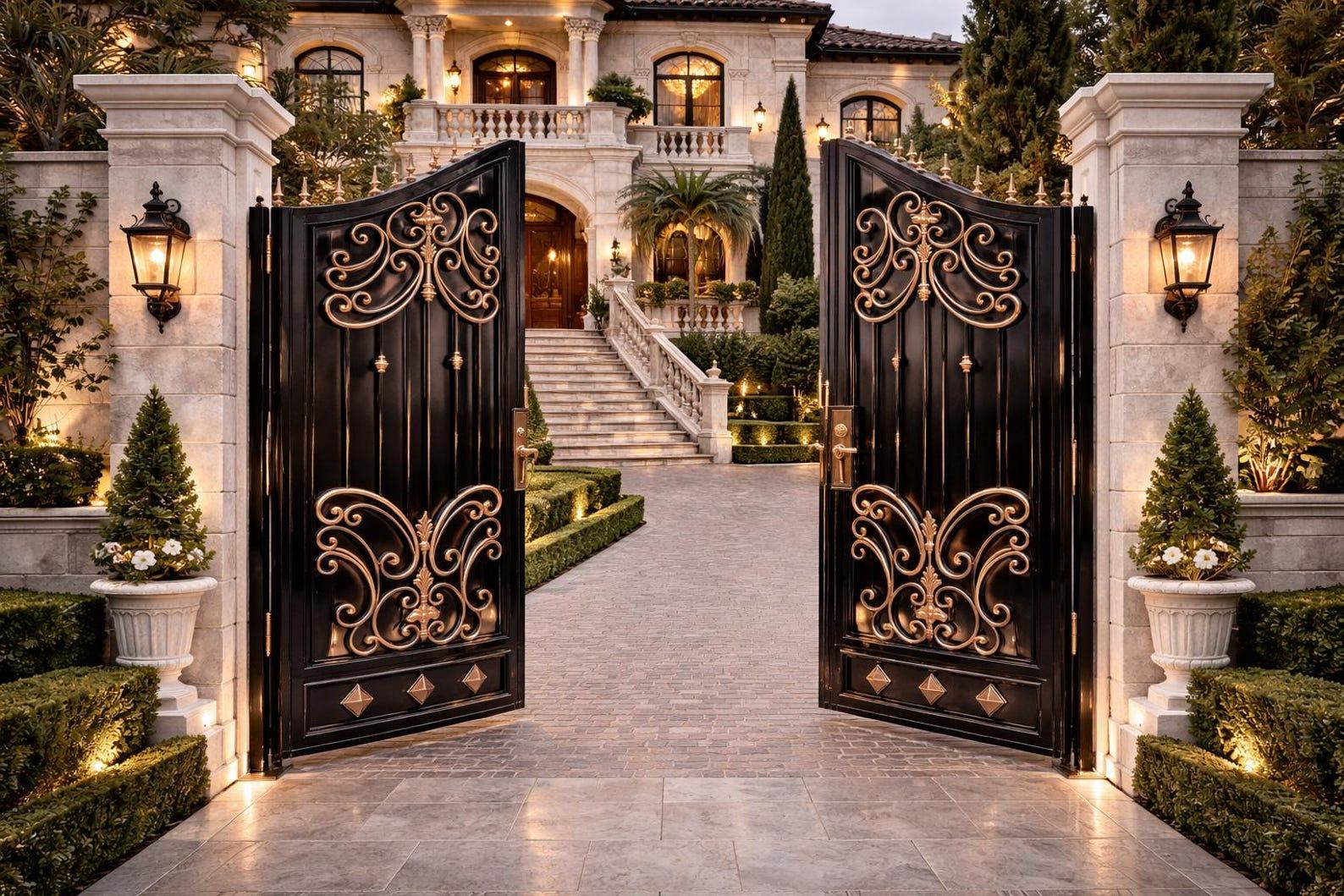
A manual driveway gate is a practical option for residential properties, villas and private courtyards where manual operation is preferred.
Before manufacturing, architects and contractors should confirm the opening width, gate height, hinge positions, post structure, swing direction and ground clearance.
For projects requiring metal gates for fence lines, the gate design should also coordinate with the surrounding fence panels, columns and boundary structures.
A metal front gate can be designed in different architectural styles, including traditional wrought iron, contemporary geometric patterns and decorative relief designs.
A decorative gate may feature hand-forged leaves, floral ornaments, CNC-carved patterns or laser-cut panels. For properties requiring additional privacy, a metal privacy gate can incorporate solid panels or carefully designed screening patterns.
Single iron doors also require accurate coordination between the door frame, wall opening, hinges, locking hardware and finished floor level.
Explore Custom Decorative Metal Gates for villa entrances, hotels, courtyards and commercial properties.
3. Metal Handrail Design for Stairs and Exterior Applications
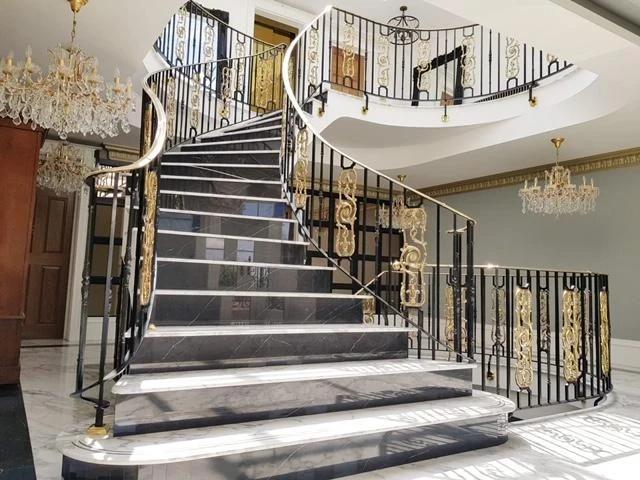
Staircase railings are not simply decorative accessories. They are important architectural elements that contribute to safety, accessibility and the visual appearance of a building.
A metal handrail should be designed according to the staircase dimensions, installation conditions and applicable building regulations.
Metal Handrail for Stairs
A metal handrail for stairs should provide comfortable support while matching the staircase design.
Depending on the project, materials may include wrought iron, stainless steel, brass or aluminum. The design can range from simple straight profiles to elaborate hand-forged patterns and sculptural metal decorations.
When selecting handrails for stairs metal, architects should consider:
- Handrail height and gripping profile.
- Post spacing and structural support.
- Infill patterns and opening limitations.
- Wall-mounted or floor-mounted brackets.
- Surface finish and maintenance.
- Compatibility with stone, wood and concrete stairs.
Metal Exterior Handrails
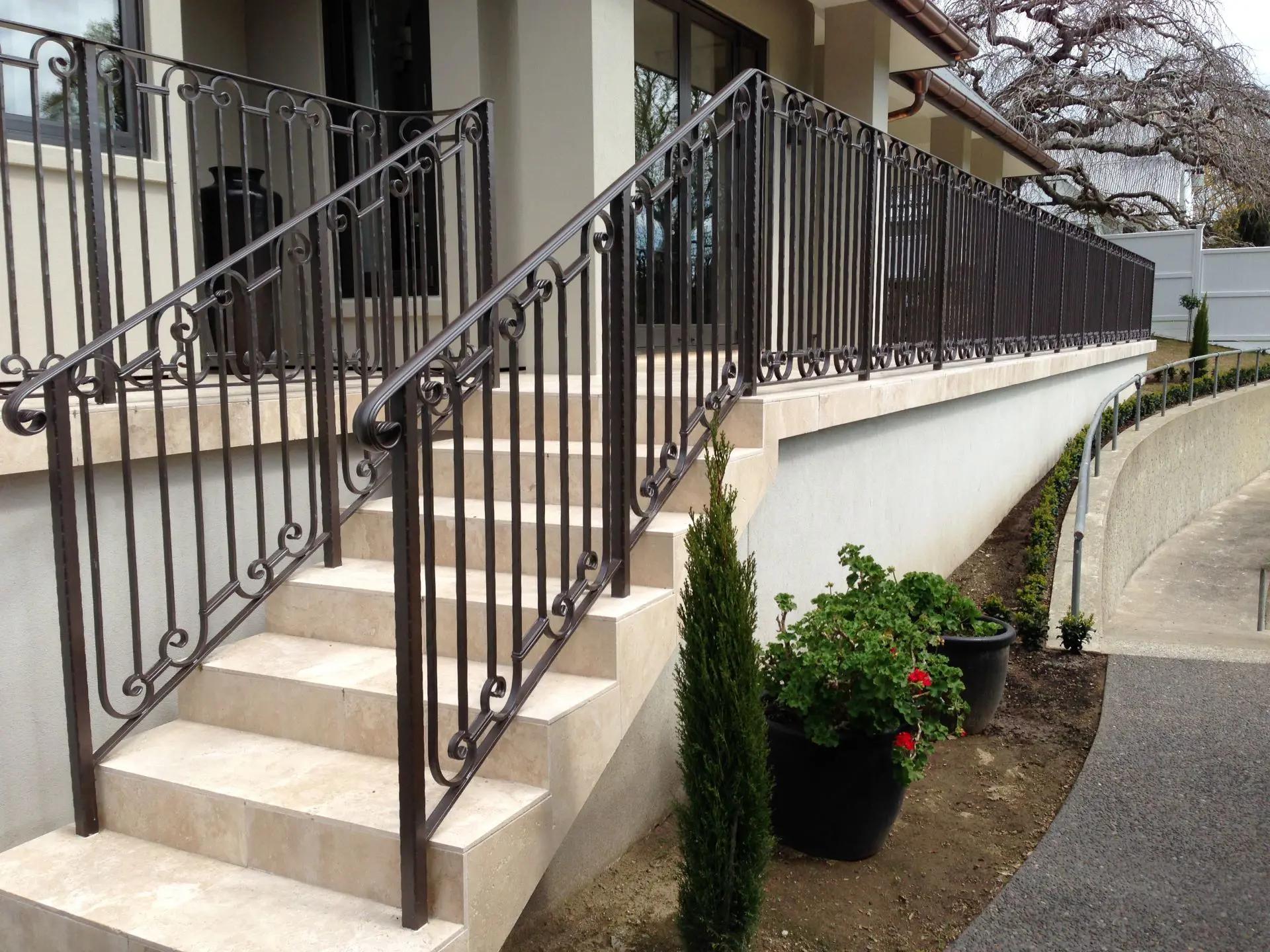
Outdoor applications require additional attention to weather exposure, drainage, corrosion protection and fixing strength.
Metal exterior handrails should use suitable materials and protective finishes for their environmental conditions.
For example, stainless steel may be suitable for certain exterior applications, while properly protected steel can also provide durable and economical solutions.
A metal stair handrail exterior installation should be coordinated with the stair structure, landing dimensions and wall or floor fixing system.
4. Brass Plate Engraving and Custom Architectural Plaques
Architectural metal signage helps communicate the identity of a building, organization or property.
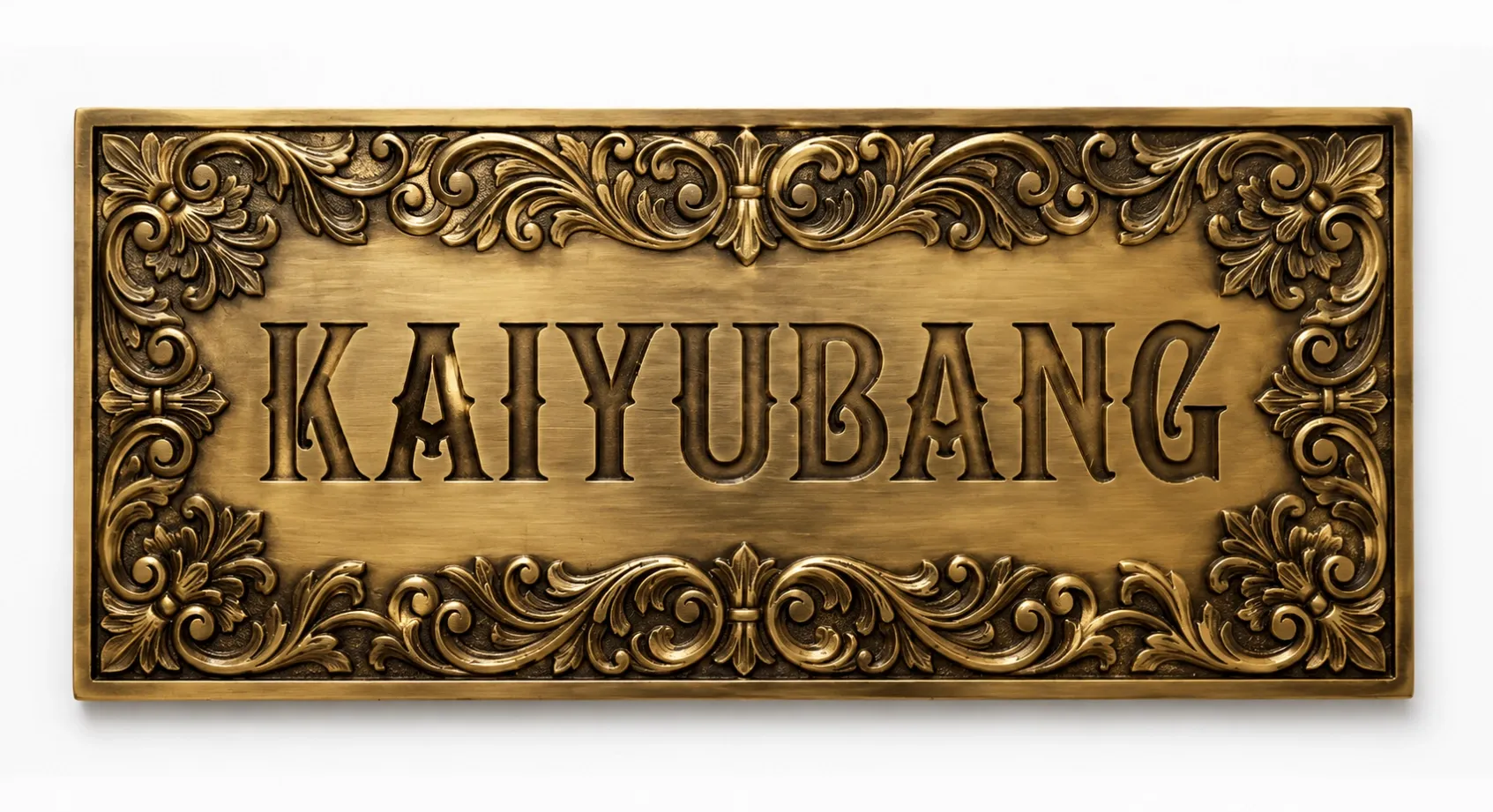
A brass plaque can be used in hotel receptions, office entrances, private clubs, villas, memorial areas and cultural buildings.
Brass Plate Engraving Techniques
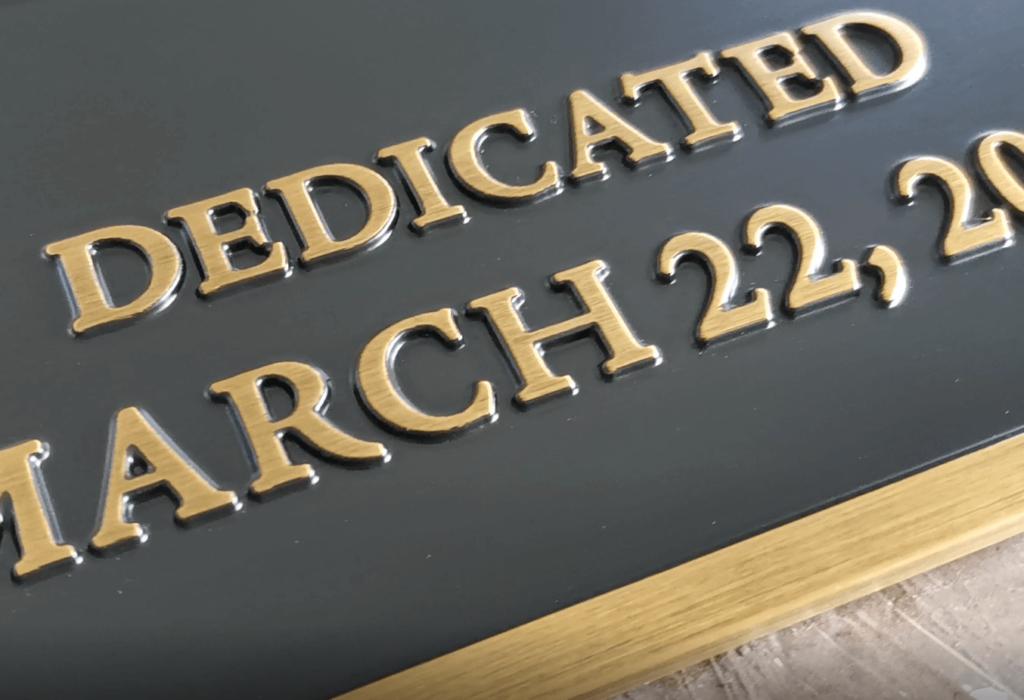
Brass plate engraving is a popular choice for customers looking for detailed lettering, logos and decorative metal artwork.
Depending on the design, different manufacturing techniques can be used:
CNC Engraving: Suitable for precise lettering, logos and detailed recessed patterns.
3D Relief Engraving: Creates raised decorative elements and dimensional lettering.
Laser Engraving: Suitable for selected fine details, markings and surface graphics.
Etching: Creates controlled recessed patterns and decorative details.
A brass engraved plate can be customized in different thicknesses, shapes, colors and surface finishes. Options include polished brass, brushed brass, antique bronze and darkened recessed details.
Artwork Plaque and Outdoor Identification Signs
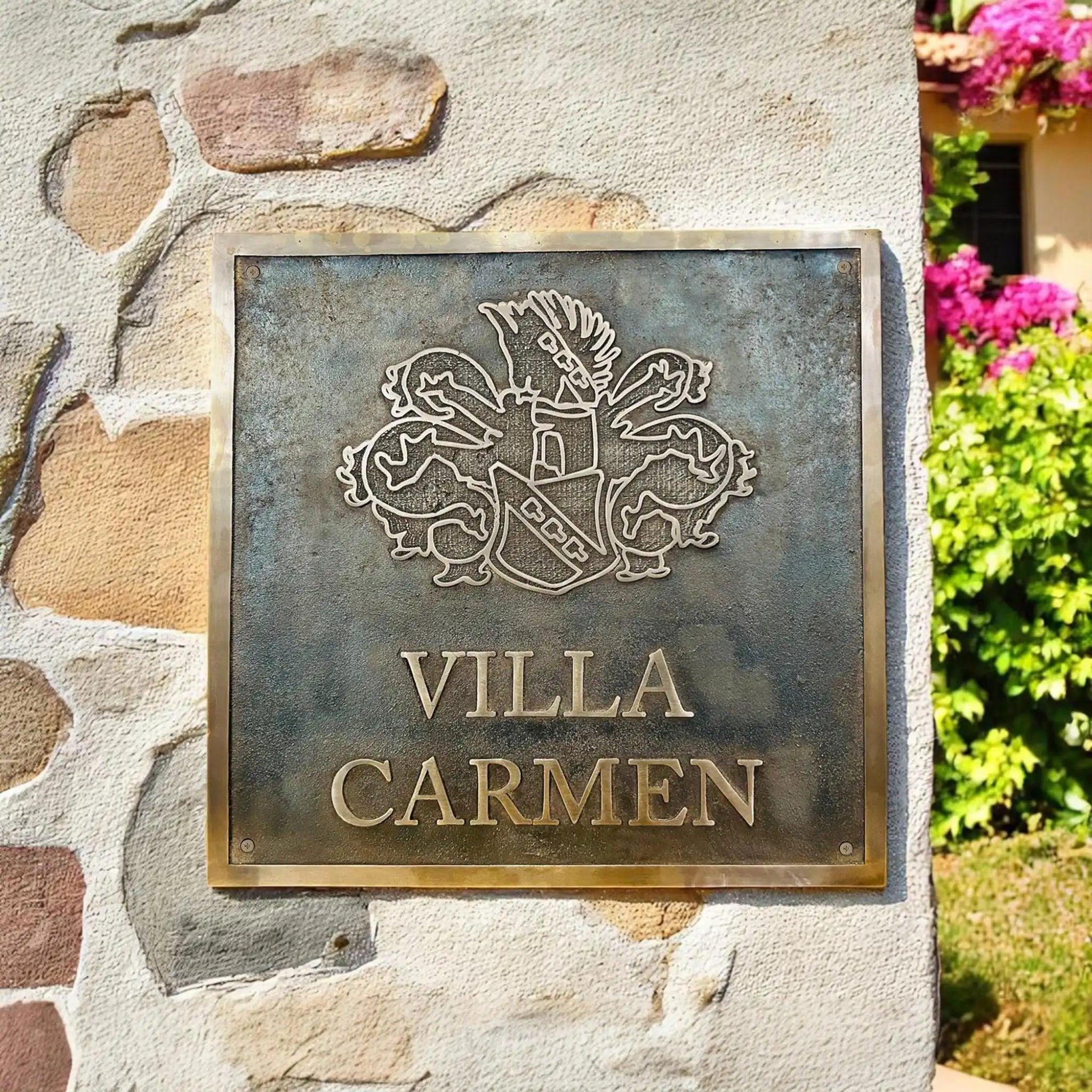
An artwork plaque is often used in galleries, museums, exhibition spaces and public buildings to display artwork titles, artist information and historical details.
Outdoor signs require additional consideration of weather resistance, mounting hardware and maintenance.
For example, a buyer searching for an engraved outdoor wall plaque with ground stake should clarify whether the intended product is a wall-mounted plaque or a freestanding garden plaque supported by a ground stake. These are different mounting configurations and require different structural details.
The final design should consider visibility, viewing distance, lettering size, background contrast and installation conditions.
Explore Custom Brass Plaques and Engraved Metal Signage for architectural identification and decorative applications.
5. From CAD Drawings to Custom Metal Manufacturing
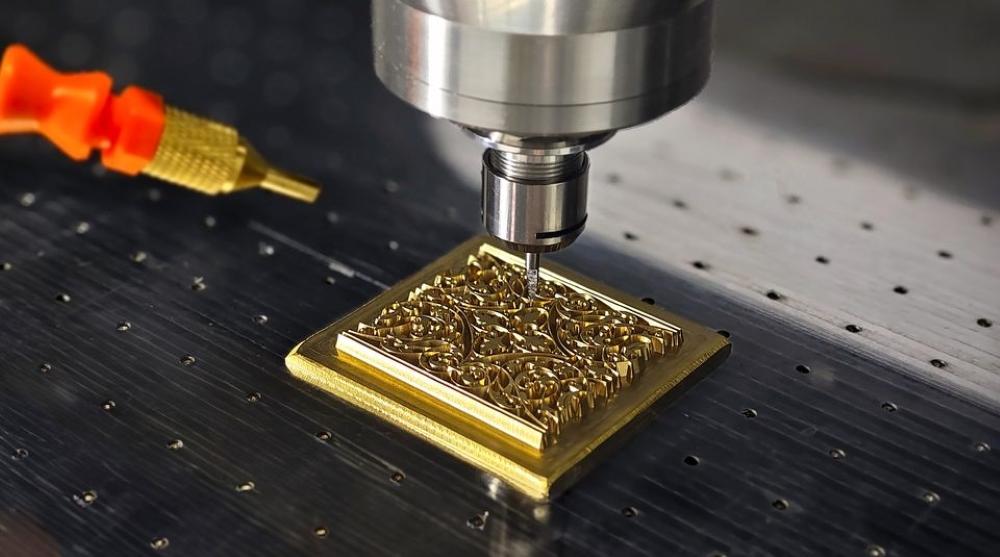
A CAD drawing is the starting point for manufacturing, but it must contain enough information for the factory to understand the design and production requirements.
Before manufacturing begins, the architect, contractor and metalwork supplier should confirm the following:
- Product dimensions and material thickness.
- Material grade and structural specifications.
- Manufacturing techniques and decorative details.
- Surface finish, color and protective treatment.
- Hardware, brackets and mounting arrangements.
- Installation clearances and connection details.
- Sample approval and production tolerances.
For complicated gates and staircase railings, approved shop drawings can help prevent errors during fabrication and installation.
For high-value projects, a physical sample or full-scale mock-up may also be useful. It allows the client to review the appearance, dimensions and workmanship before approving the complete production order.
Clear communication at this stage can reduce unnecessary modifications, manufacturing delays and installation problems.
6. Architect Registration, Permits and Professional Responsibilities
Architectural responsibilities vary depending on the country, project type and professional contract.
In some projects, architects assist clients with planning applications, building permit documents and coordination with government authorities. However, the relevant authority makes the final approval decision.
Professional registration is also important.
In the United States, architecture licenses are issued by individual state and territorial jurisdictions. NCARB provides information about the licensing process and helps candidates understand the requirements.
In the United Kingdom, the professional title "architect" is protected by law and may only be used by individuals registered with the Architects Registration Board (ARB).
Before appointing an architect, clients should check the relevant professional register, qualifications, insurance and agreed scope of services.
Useful references:
Choosing an appropriately qualified professional helps clients manage design coordination, regulatory requirements and construction responsibilities more effectively.
7. How Kaiyubang Supports Architectural Metalwork Projects
Kaiyubang Architectural Decoration Co., Ltd. is a metalwork manufacturer based in Foshan, China, specializing in custom architectural and decorative metal products.
Our main product categories include:
- Decorative wrought iron and stainless steel gates.
- Custom metal staircase and balcony railings.
- Brass plaques and architectural signage.
- CNC engraved and embossed metal panels.
- Decorative metal screens and architectural ornaments.
Our manufacturing capabilities include CNC engraving, relief carving, laser processing, welding, grinding, polishing and surface finishing.
We work with architects, designers, contractors, distributors and property owners. Customers can provide CAD drawings, dimensions, reference images or design concepts, and our team can review the manufacturing requirements before production.
We pay particular attention to material specifications, product dimensions, decorative details and surface finishes. Our goal is not simply to manufacture a metal product, but to help translate the customer's design into a practical finished product.
Kaiyubang focuses on manufacturing and product-related technical coordination. On-site installation, structural engineering and professional approval remain subject to the agreed project responsibilities.
Conclusion: Connect Architectural Design with Quality Metalwork
A successful building project depends on accurate drawings, suitable materials, professional coordination and reliable manufacturing.
Whether you are planning a hotel renovation, office fit-out or luxury villa, choosing the right metal gates, metal handrails and brass plaques can make a significant difference to the finished building.
If you are looking for a manufacturer for a manual driveway gate, single iron doors, metal stair railings or brass plate engraving, visit Kaiyubang.
Send us your CAD drawings, project dimensions and reference images. Our team will review your requirements and help develop custom metalwork solutions that match your architectural design and project needs.