Choose Guiding
Manual Driveway Gate: Hand-Forged Quality | Kaiyubang
See how Kaiyubang hand-forges a solid-steel manual driveway gate, prepares unfinished iron for hot-dip galvanizing, and creates durable custom entrances.
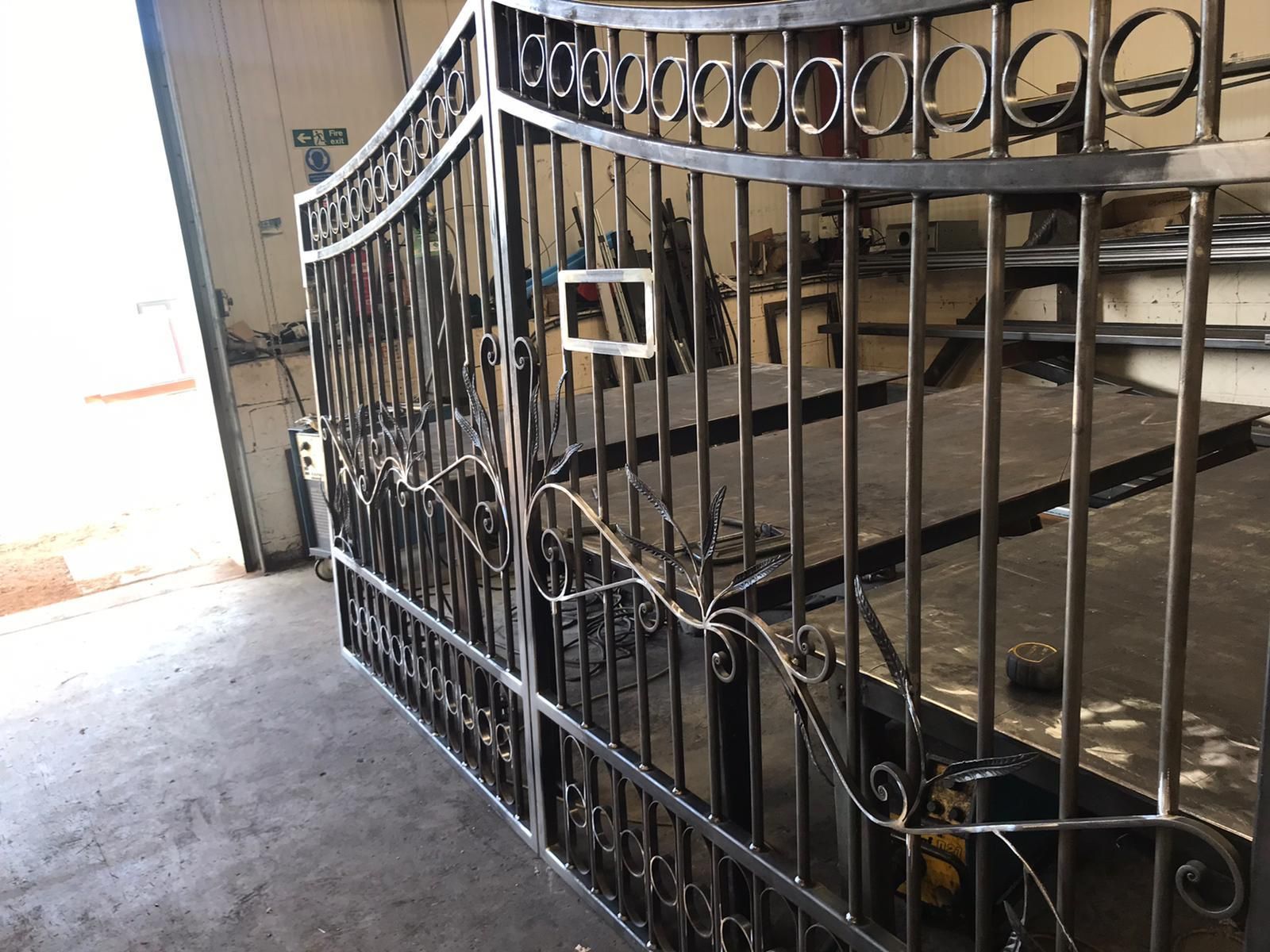
When you visit our workshop, you may notice something unexpected: a large, hand-forged iron gate standing in the production area with reddish marks on its surface. It is not a rejected product or a finished gate that has failed. It is a semi-finished manual driveway gate, waiting for its next important manufacturing stage.
Our team has already assembled the main structure, completed preliminary grinding, and corrected selected surface imperfections. After the gate remained in the workshop during rainy weather, moisture reacted with the exposed steel and small areas of surface rust appeared. This is a real part of the production journey, and it gives us an opportunity to explain what happens before a custom iron gate is ready for installation.
Why Can a Semi-Finished Wrought Iron Gate Develop Rust?
Bare steel can react with oxygen and moisture. If an unfinished gate is exposed to rain or humid air before its protective treatment, surface oxidation may occur. This is especially possible around joints, curves, and areas where water can collect.
The important point is not to ignore the rust or cover it with paint. The steel must be inspected and properly prepared before the specified corrosion-protection system is applied. Surface rust on an unfinished product does not automatically mean that the completed gate will have poor durability. Its final performance depends on preparation, coating quality, design, installation, and maintenance.
Our current gate has not yet received its planned hot-dip galvanizing treatment. The visible marks are therefore part of an unfinished stage, not the appearance we expect from the completed product.
More Than 20 Years of Hand-Forging Experience
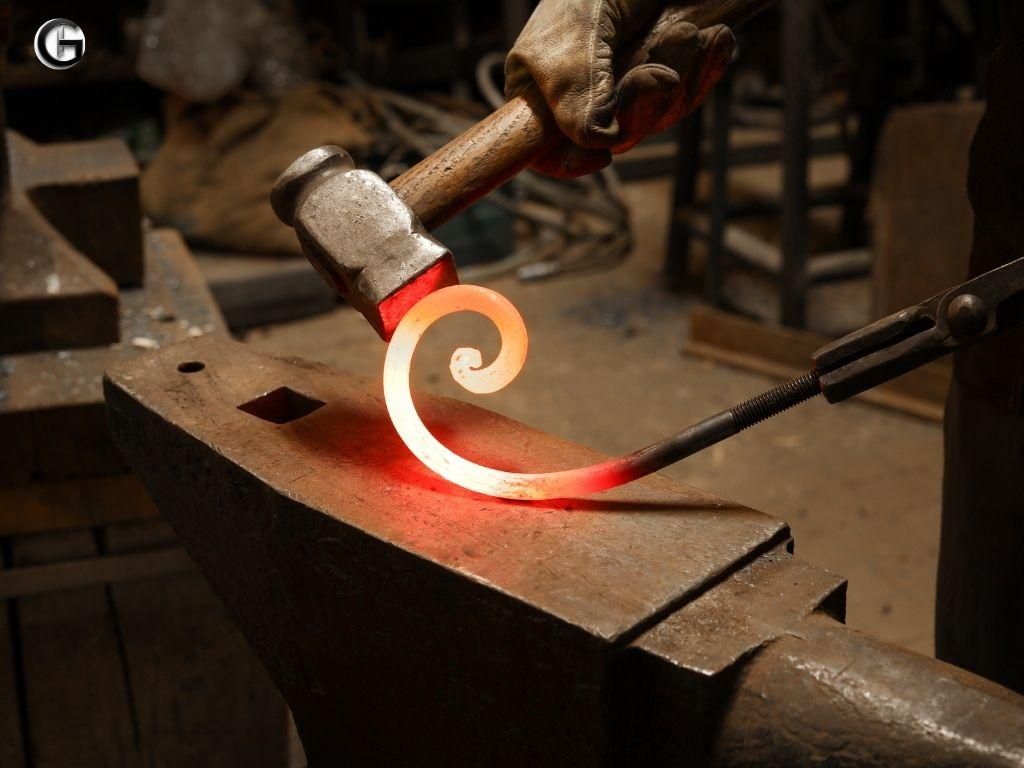
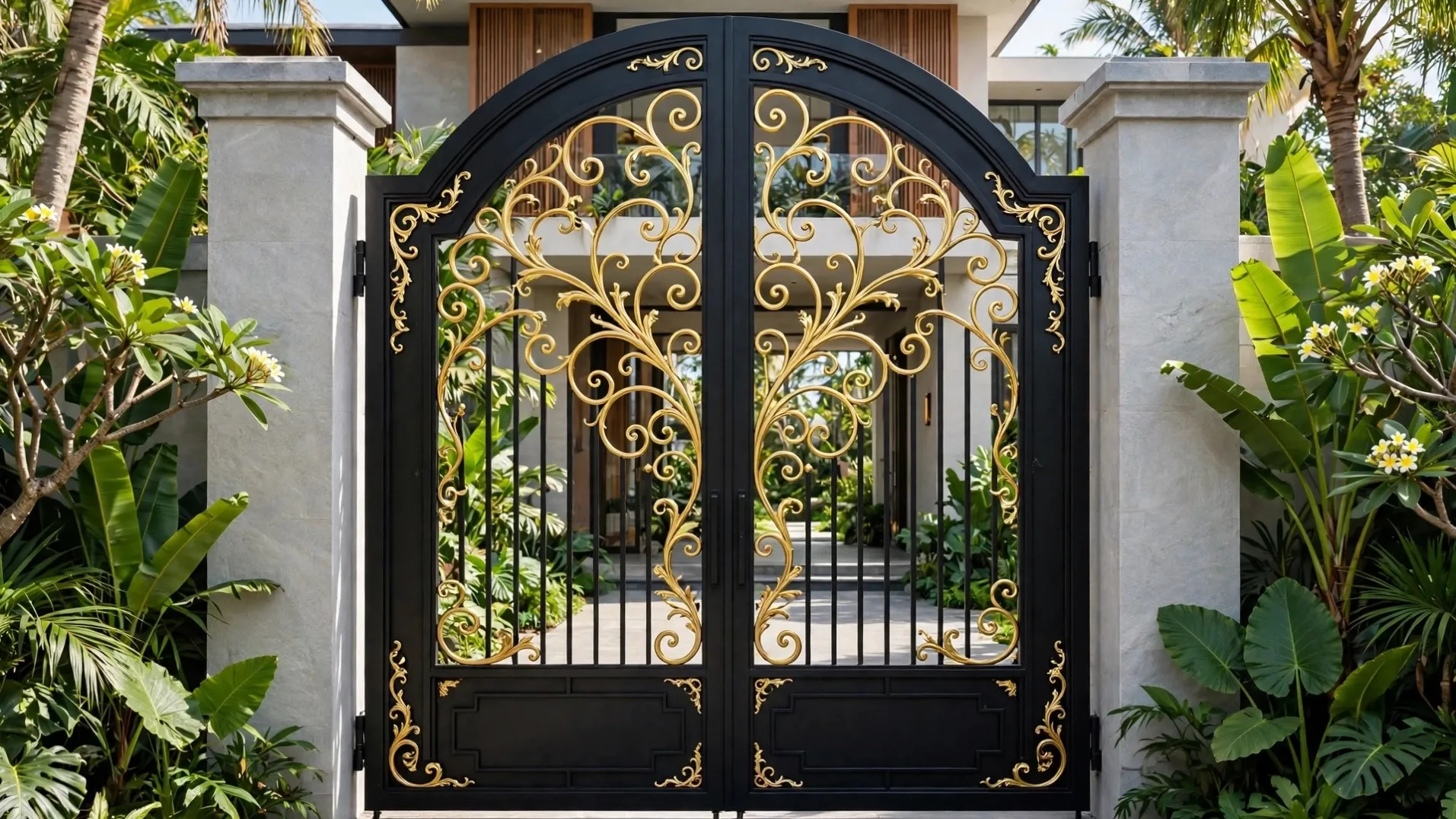
Look closely at the decorative scrolls and leaves. They are not simply identical pieces taken from a standard pattern. Each curve is shaped through heating, hammering, bending, and repeated adjustment by experienced craftsmen. Some of our master workers have more than 20 years of practical hand-forging experience.
A small forged leaf may need several rounds of heating and hammering before its shape and thickness look right. The craftsman must consider the direction of the curve, the transition between each section, and how the ornament will sit within the overall frame. This is why detailed custom gate designs require time, patience, and practical skill.
The gate in this project uses solid round steel for its decorative bars. Compared with lightweight hollow profiles, solid steel gives the scrollwork a substantial appearance and provides material that can be shaped by traditional forging methods. It also adds considerable weight, so hinges, posts, foundations, and opening hardware must be designed for the actual dimensions and loads. Heavy construction alone does not replace good engineering.
From Assembly to Hot-Dip Galvanizing
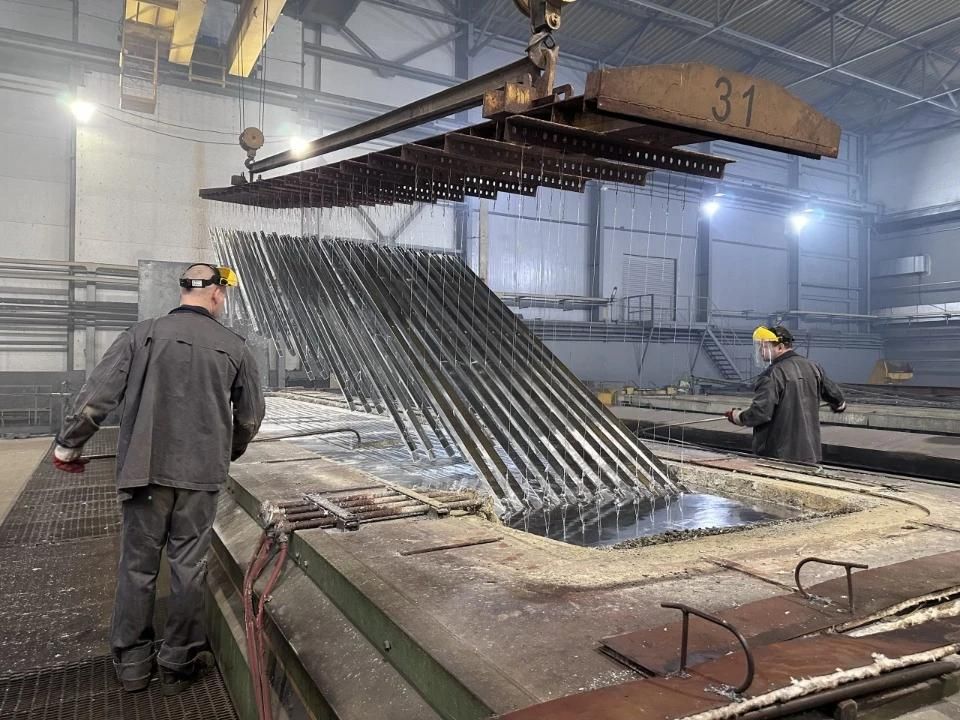
Before the gate goes for corrosion protection, several checks and preparation steps are necessary.
1. Inspect the Frame and Welds
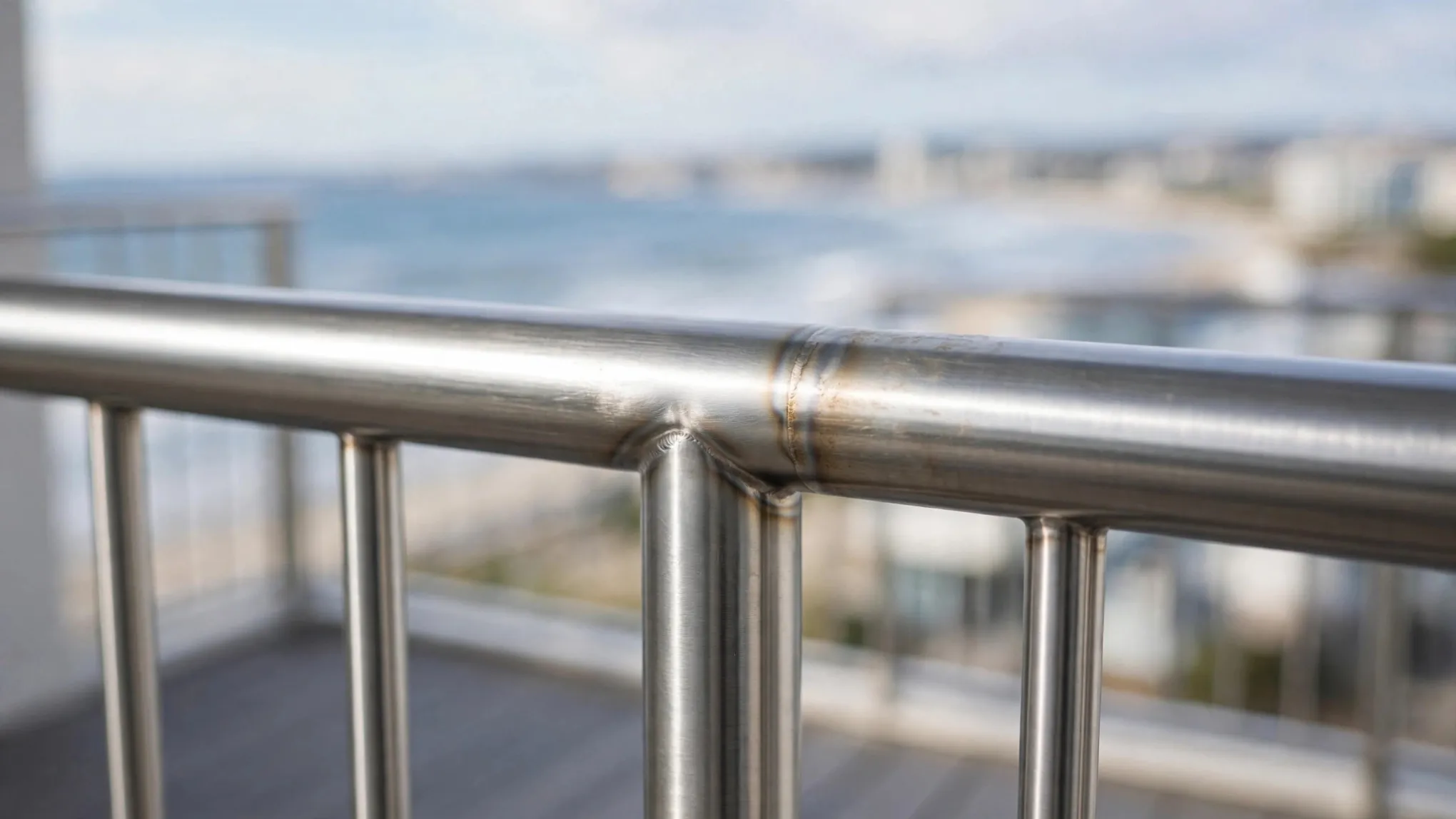
Our team checks the overall dimensions, alignment, welded connections, decorative details, and surface condition. Any preliminary filler or material that could interfere with galvanizing must be removed or treated according to the galvanizer's requirements. The design must also allow the zinc to flow and drain correctly. Hollow sections need suitable vent and drain openings.
2. Clean and Pickle the Steel
At the galvanizing facility, steel normally passes through cleaning and acid-pickling stages to remove oils, rust, and mill scale. Rinsing and fluxing then prepare the surface for the zinc bath. Proper preparation is essential: galvanizing is not simply a way to hide rust beneath another layer.
The American Galvanizers Association explains the importance of surface preparation before hot-dip galvanizing.
3. Immerse the Gate in Molten Zinc
The prepared steel is immersed in molten zinc, commonly at approximately 450°C. A metallurgical reaction forms zinc-iron alloy layers bonded to the steel. This coating provides corrosion protection, although actual service life depends on coating thickness, exposure conditions, construction details, and maintenance.
4. Inspect and Apply the Decorative Finish
After galvanizing, the gate is inspected for coating coverage, appearance, and any areas requiring correction. If the customer wants a painted finish, the galvanized surface needs suitable preparation and a compatible coating system. The process should be specified rather than assuming that any paint can be applied directly.
For technical guidance, see the American Galvanizers Association's advice on preparing hot-dip galvanized steel for painting.
Choosing a Gate Style for Your Property
Not every entrance needs the same opening arrangement. A single swing driveway gate uses one moving leaf and needs enough clearance to open safely. A pair of double drive gates creates a balanced entrance and is often selected for villas, estates, and formal driveways. A manual driveway gate can be suitable where an automatic operator is not required, provided the gate can be operated safely and comfortably.
Where there is limited swing clearance, wrought iron sliding gates may be a better solution. They move horizontally and require suitable side space, tracks or a cantilever system, foundations, and hardware. The correct choice depends on the site layout, slope, available space, vehicle access, and expected use.
Decorative pedestrian access is a separate consideration. A single iron door can serve a side entrance or garden path, while single iron doors may also be used at several access points around a property. A double iron door can create a wider, more formal pedestrian entrance. An entry iron door should be planned around pedestrian access, security, weather exposure, and the building's architectural style.
Buyers sometimes search for "iron doors double" when comparing paired entry doors, while "modern iron double doors" often describes a contemporary style with cleaner lines or glass details.
A modern wrought iron door can combine traditional metalwork with simpler proportions. For a larger formal entrance, a double wrought iron door may use matching scrollwork or decorative panels. The phrase "modern wrought iron door" generally points to a different visual direction from heavily ornamented classical designs, but both can be customized to suit the building.
Decorative Details: Finials, Fences, and Coordinated Designs
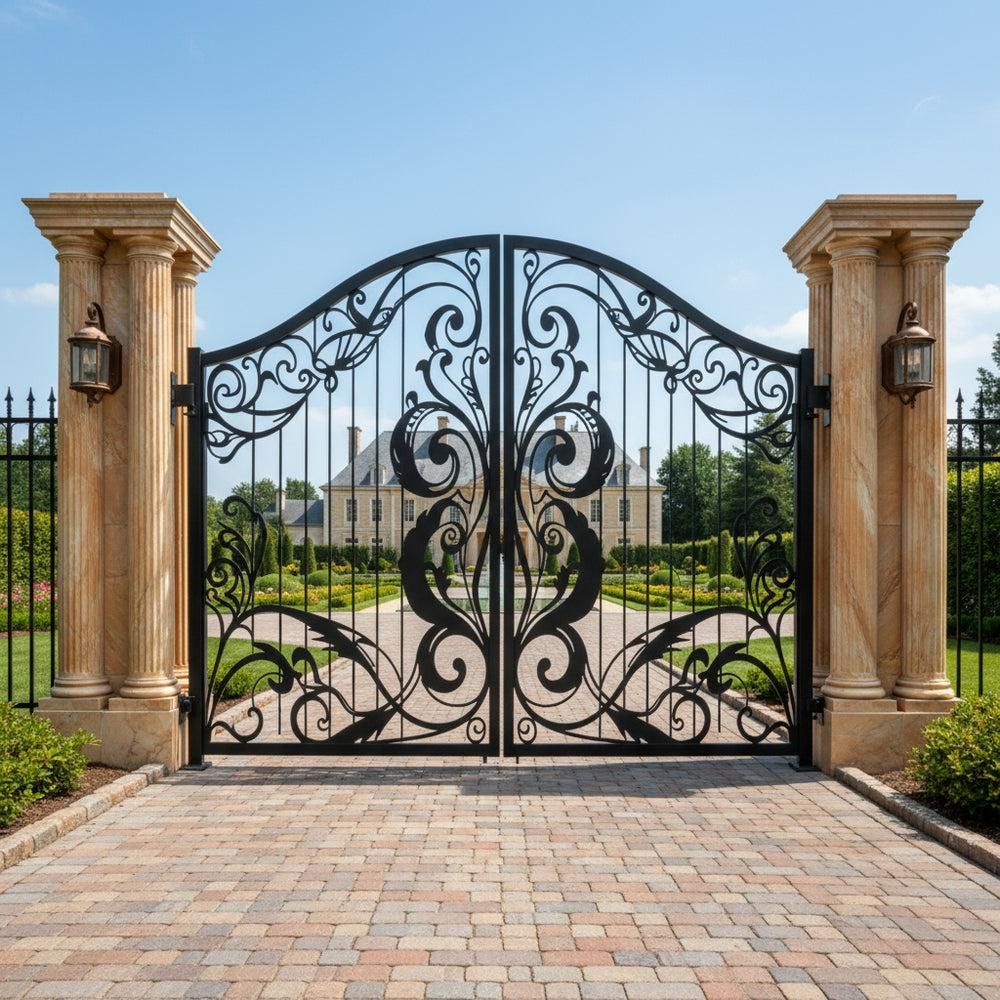
Small details can change the character of an entrance. Wrought iron finials add a finishing point to railings and gate tops. Some online searches use the phrase "finials wrought iron"; when choosing them, buyers should compare the shape, size, fixing method, and relationship to the gate's overall design.
A complete entrance may also include custom metal fences, pedestrian gates, matching railings, and decorative posts. Coordinating these elements does not mean every part must be identical. Repeating a few design details—such as a leaf motif, scroll shape, or finish color—can create a consistent architectural appearance.
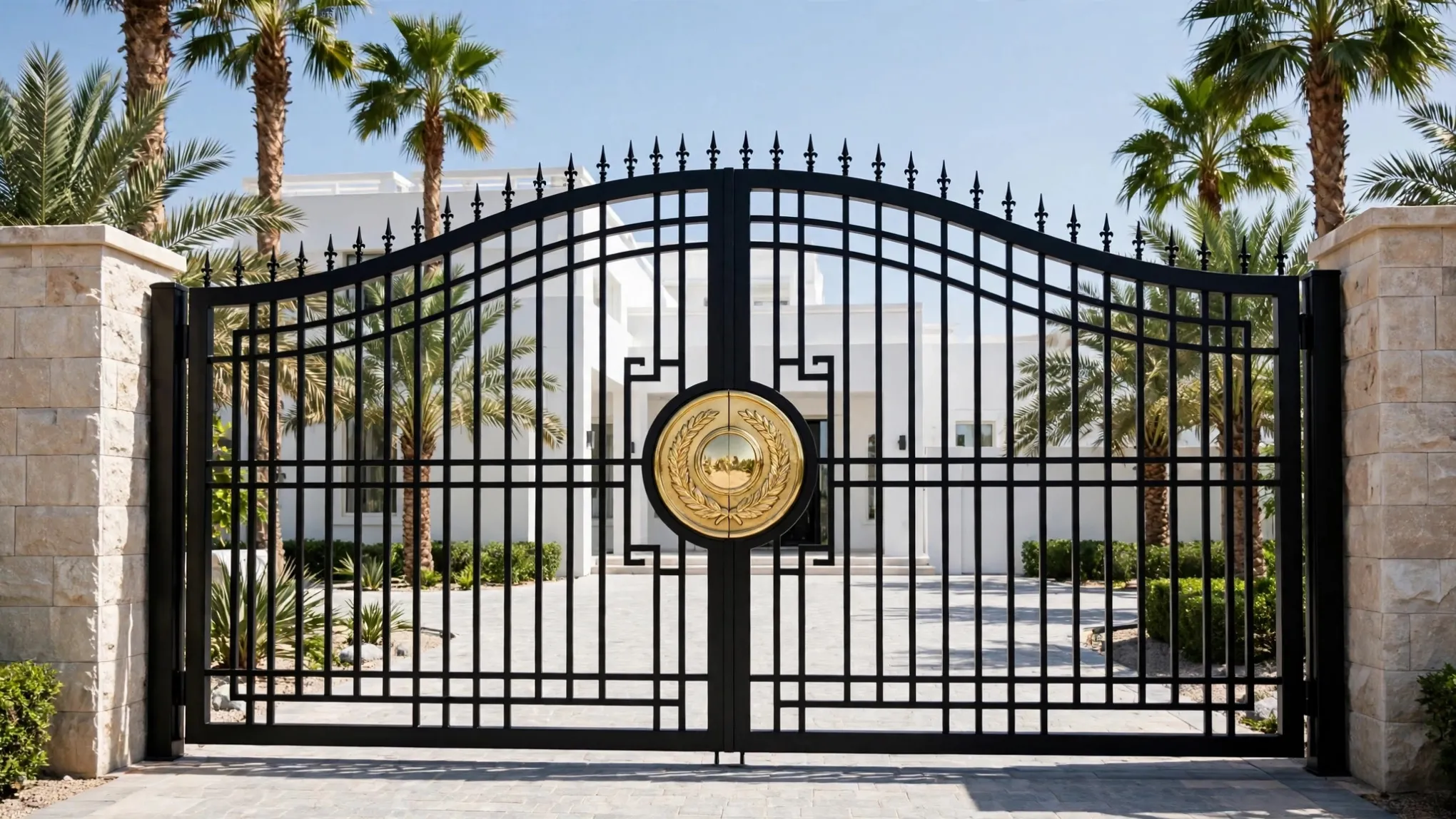
For customers who prefer a simpler look, black driveway gates can provide a strong contrast against stone, brick, or light-colored exterior walls. More elaborate forged patterns may suit traditional villas, while geometric designs can work well with contemporary architecture.
What Affects Iron Door Cost and Custom Gate Pricing?
Buyers often ask about iron door cost before sharing drawings. A useful quotation needs more than the overall width and height. Material type and quantity, solid or hollow sections, design complexity, hand-forging time, welding, grinding, galvanizing, decorative finishing, hardware, and packaging can all affect the price.
The same applies when comparing a single iron door with a larger double wrought iron door or a driveway gate. The product names may sound similar, but their dimensions, structural requirements, and installation conditions are different. To compare quotations fairly, confirm what is included: drawings, steel specifications, surface treatment, hinges, locks, tracks, and delivery terms.
What Should You Confirm Before Ordering?
Before production begins, share the entrance measurements, site photographs, preferred opening direction, and architectural references. Ask the manufacturer to confirm:
- Whether the main and decorative bars are solid or hollow.
- How the frame, welds, hinges, posts, and foundations are specified.
- Whether the gate will swing or slide and whether automation is required.
- What cleaning, galvanizing, and decorative coating processes are included.
- How the gate will be inspected, packed, and delivered.
These questions help prevent misunderstandings and make it easier to compare suppliers on workmanship and scope—not just on the lowest quoted price.
A Rusty Beginning, a Carefully Made Entrance
Today, this gate still shows exposed steel and temporary rust marks. Yet its hand-forged scrolls, solid round bars, and carefully assembled frame already reveal the work behind the design. The next stages are proper surface preparation, hot-dip galvanizing, inspection, and the specified decorative finish.
At Kaiyubang, we believe a quality entrance is built through skilled hands, thoughtful engineering, and attention to details that many people never see. If you are planning a manual driveway gate, a pedestrian entry, or coordinated custom metalwork, share your drawings and finish preferences with our team. We can review the design and discuss a practical manufacturing solution.