Choose Guiding
Rust on Metal Plaques? Check Materials and Coatings
Rust on your metal plaque? The base metal and coating decide whether it lasts outdoors. A Foshan factory guide to brass, bronze, stainless steel and finishes.
Rust on Metal Plaques? Check Materials and Coatings
Rust on metal plaques is the most common reason a plaque that looked perfect on delivery starts to look old before its time. But not every mark on a plaque is rust, and not every metal rusts. Brass and bronze do not rust at all — they develop a patina. Steel and iron do rust. Stainless steel can stain in the wrong conditions. If you know which metal you have and what protects it, most rust problems are preventable before the plaque is ever made.
First, work out what the mark actually is
True rust is reddish-brown, rough to the touch, and it spreads. It forms when iron or steel meets water and oxygen, and once it starts, it eats into the metal. Patina is different: on bronze and copper it appears as a brown or green surface layer that actually protects the metal underneath, and many people choose it on purpose for a historic look. Tarnish on brass is a dull darkening of the surface, not damage to the metal itself. This matters because the fix is different for each one. Rust needs to be removed and the cause dealt with, or it comes back. Patina can be left alone, cleaned back, or sealed in, depending on the look you want. Tarnish can usually be polished away. Before you order a replacement plaque, ask the factory what metal the old plaque was made from. Replacing a rusted steel plaque with the same steel and the same coating will give you the same problem in a few years.
The base metal decides most of the outcome
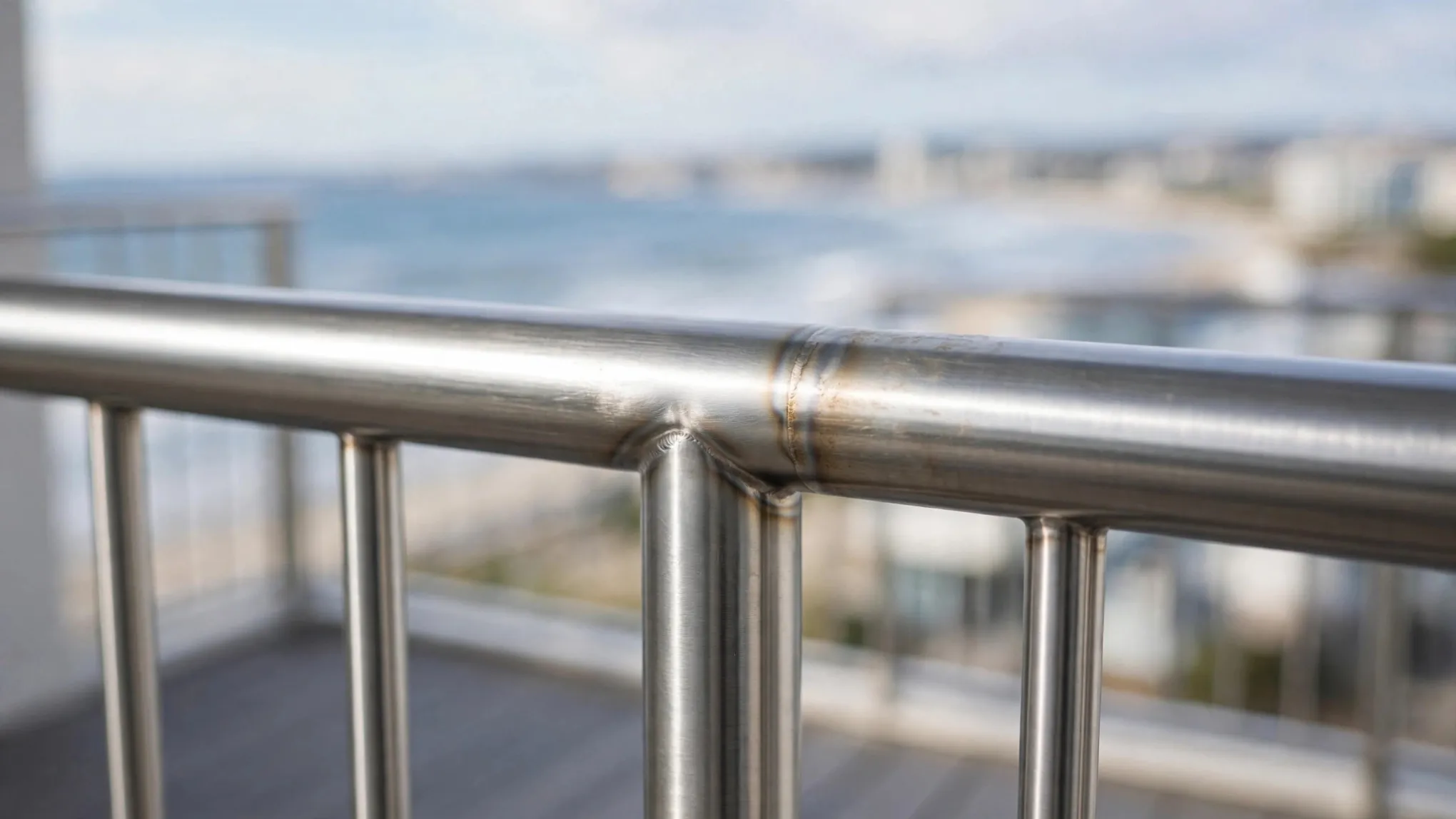
For outdoor plaques, the base metal is the first decision, and it matters more than the finish name. Bronze is a strong choice outdoors: it is hard, it holds engraved detail well, and its patina protects it rather than damaging it. Brass is similar, with a warmer colour, but it softens and tarnishes faster in damp or coastal air. Copper develops a green patina outdoors and suits heritage and garden settings, though its colour changes a lot over time. Stainless steel is often chosen because people expect it never to rust. In most places it does not, but in coastal air, near swimming pools, or where it is fixed with ordinary steel screws, it can show brown surface staining. That staining is usually on the surface and can be cleaned, but it surprises buyers who were told stainless steel is maintenance-free. Aluminium does not rust, is light, and suits large plaques, but it needs a thicker plate and a good coating, or its surface will pit and look dull. Iron and mild steel can be used for plaques, but only with a proper protective system and regular care. For a hotel entrance or a villa gate plaque that must look right for years with little attention, bronze, brass or stainless steel are usually the safer choice. Tell the factory where the plaque will live — inland, coastal, shaded, or in full sun — and ask which base metal they recommend for that exact spot.
Coatings only work if they suit the metal
A coating is not a magic layer. Clear lacquer protects brass and copper from tarnish and slows down patina, but it can peel if the metal was not cleaned properly before coating, or if water gets under an edge. Powder coating gives a tough, even colour layer and works well on aluminium and steel, but a deep scratch through the coating lets water reach the metal underneath. Wax is a traditional finish for bronze: it protects well and is easy to renew, but it needs to be reapplied from time to time. The most common coating failure we see is not the coating itself, but the detail around it. Water collects where a plaque meets the wall, behind raised letters, and around screw heads. If those places were not sealed or drained, rust starts there first, even on a well-coated plaque. Ask how the plaque will be finished on the back and around the fixings, not only on the face. A plaque that is only finished on the front is only protected on the front.
Fixings and the wall matter as much as the plaque
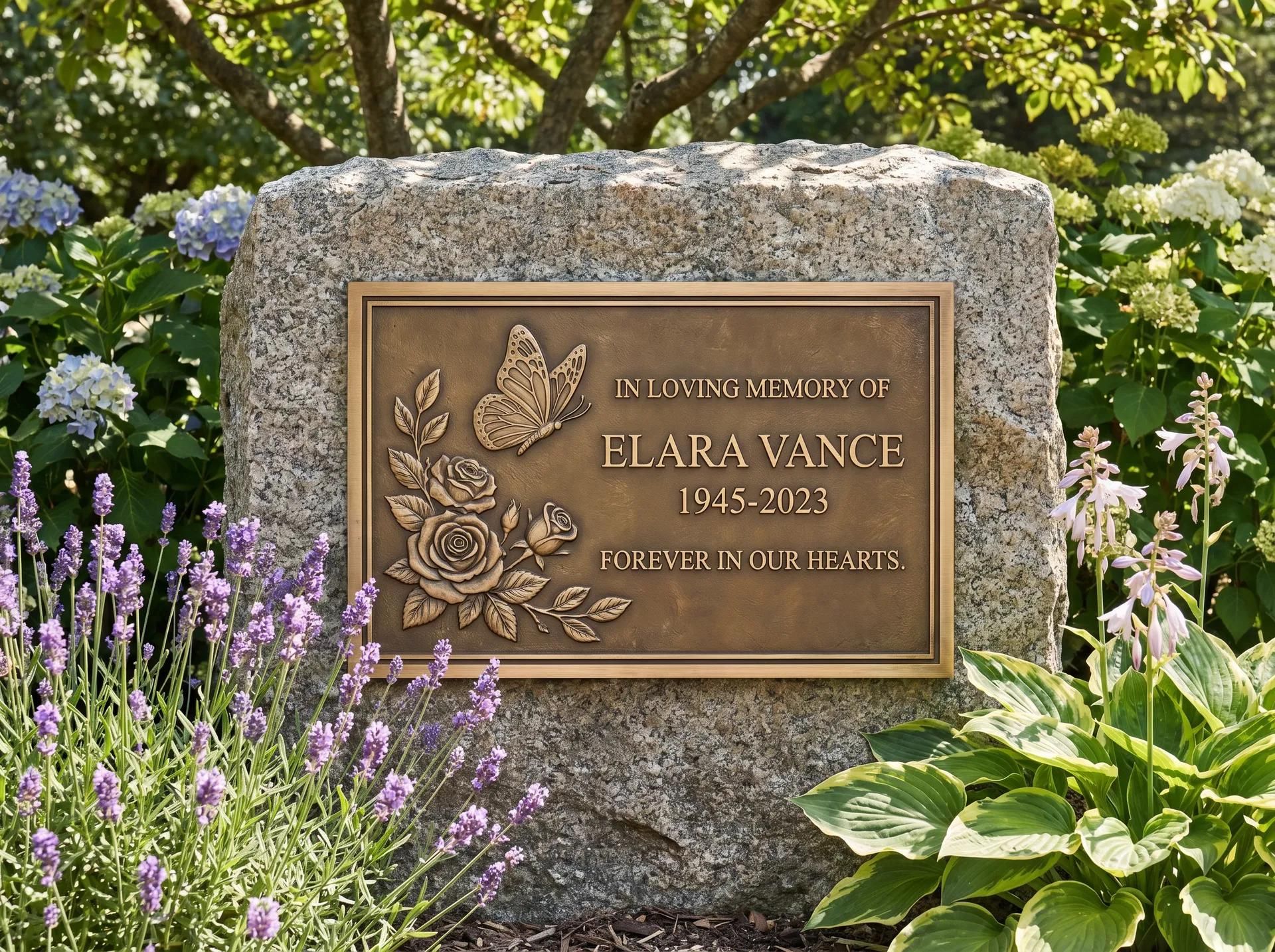
A plaque can rust because of what it is fixed with, not because of what it is made from. Ordinary steel screws in a brass or bronze plaque will rust and stain the plaque below them. Two different metals touching each other in wet conditions can corrode faster than either would alone. Use fixings that match the plaque metal, or isolate them properly. The wall matters too. A plaque fixed flat against a damp wall with no gap behind it stays wet after rain. A small gap, or a fixing method that lets air move behind the plaque, helps it dry. For a bronze plaque on a garden wall or a memorial plaque outdoors, this drying detail is often the difference between a plaque that ages gracefully and one that stains within a year.
How to look after a plaque that is already installed
Most plaques need very little care, but the right care is specific to the metal. Wash the plaque with clean water and a soft cloth to remove dirt and salt, especially after storms or in coastal areas. Do not use harsh cleaners, wire brushes or abrasive pads: they scratch the coating and open the surface to water. For brass, a gentle polish restores the shine, but polishing also removes patina, so decide which look you want before you start. If rust has already appeared on a steel plaque, it should be cleaned back to sound metal, treated, and recoated — painting over rust does not stop it. If the rust is deep, or the plaque is thin, replacement is usually better than repair. And if a plaque keeps rusting in the same place, the cause is probably the fixing, the wall, or standing water, not the plaque itself. Fix the cause, or the new plaque will follow the old one.
What to confirm before you order
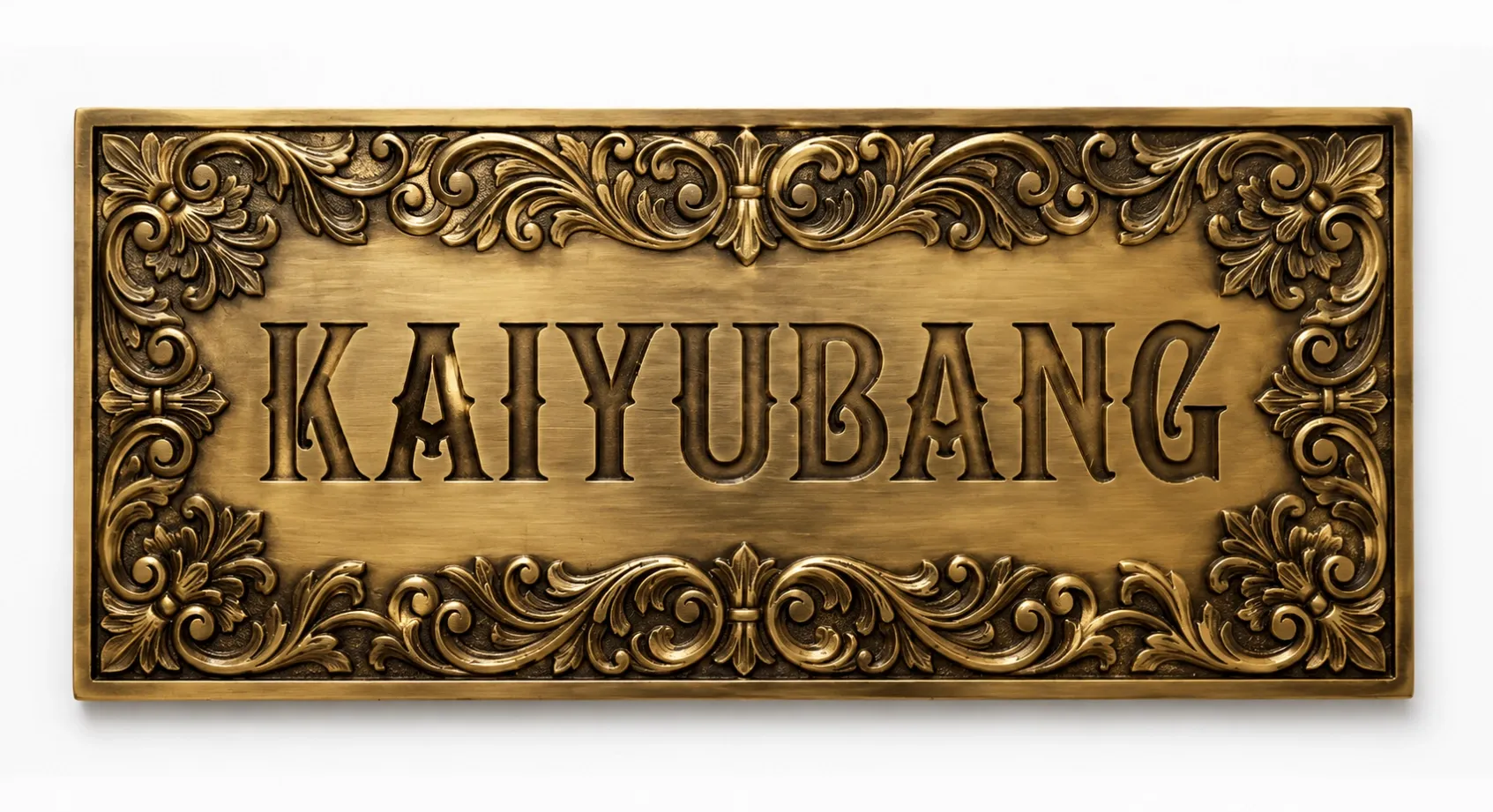
Before you order a plaque for outdoor use, confirm four things in writing: the base metal, the coating and how it will be maintained, the fixings, and how the plaque will be mounted to allow drying. Ask the factory what will happen to the finish over five years in your location, and what care it will need. A supplier who can answer that clearly has thought about the plaque as a long-term fitting, not only as a product to ship. At Kaiyubang, a custom metalwork factory in Foshan, we make plaques to order in our Foshan factory, with CNC engraving, laser cutting and hand finishing, and we confirm the base metal, finish and mounting with you before production. Delivery is 2–4 weeks, and we reply to quote requests within 1 business day. Send us a photo of the old plaque, or of the wall where the new one will go, and tell us whether the location is coastal or inland. With that, we can recommend the metal and coating that will age well in your exact conditions, instead of one that only looks right on delivery day.
Rust is not bad luck. It is usually a mismatch between the metal, the coating, the fixings and the location. Get those four right, and a metal plaque will do its job for decades — carrying the name, marking the entrance, and ageing in a way that suits the building, instead of fighting it.